ON-PAGE SEO
Search Engine Optimization (SEO) is the process of improving a website’s visibility in search engines like Google. Among its types, On-Page SEO plays a very important role. It refers to all the techniques and strategies used within a website to help it rank higher and attract more visitors.
Table of Contents
ToggleMeaning of On-Page SEO
On-Page SEO focuses on optimizing the content and structure of individual web pages. It ensures that each page is easily understandable to both users and search engines. The main goal is to make a webpage relevant and valuable for a specific keyword or topic
Key Elements of On-Page SEO
Importance of On-Page SEO
On-Page SEO is essential because it helps search engines understand what your website is about. It improves user experience, increases traffic, and helps businesses reach their target audience. Without strong On-Page optimization, even great content may not rank well.
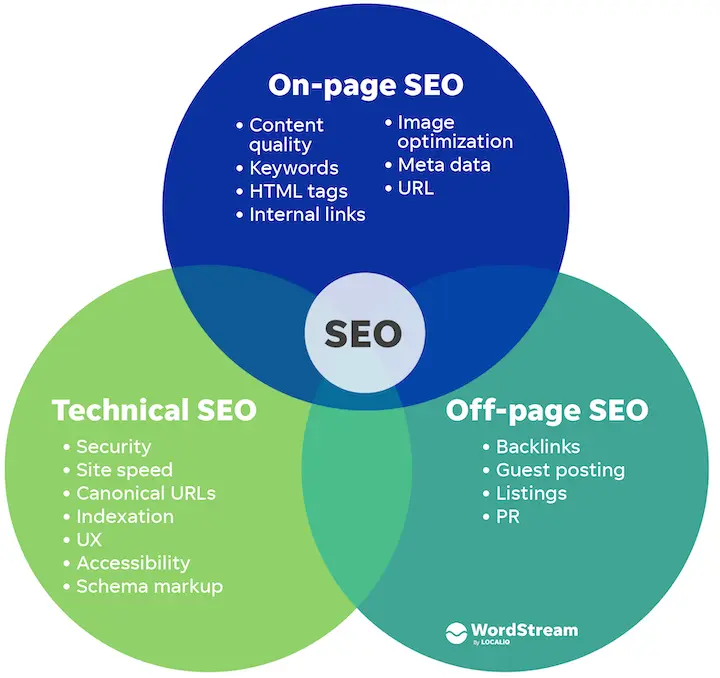
On-Page SEO: Optimize Your Website for Maximum Visibility
On-page SEO is the cornerstone of any successful digital marketing strategy. By optimizing individual web pages, businesses can ensure that search engines understand their content and rank it higher for relevant queries. This not only improves visibility but also enhances the overall user experience, making it easier for visitors to find the information they need.
Effective on-page SEO begins with keyword optimization. Using the right keywords in titles, headings, meta descriptions, and throughout the content helps search engines determine the topic and relevance of your page. However, it’s important to use keywords naturally to maintain readability and avoid penalties for keyword stuffing.
Another critical element is content quality. High-value, informative, and engaging content keeps visitors on your site longer and encourages them to take action. Structuring content with headings, bullet points, and visuals improves readability and ensures that both users and search engines can navigate your page easily.
Finally, technical aspects like URL structure, internal linking, image optimization, and mobile-friendliness play a significant role. Clean URLs, fast-loading pages, descriptive alt tags, and responsive design all contribute to better rankings and a seamless user experience. By focusing on these on-page SEO strategies, businesses can drive more organic traffic and achieve long-term growth
On-page SEO is the cornerstone of any successful digital marketing strategy. By optimizing individual web pages, businesses can ensure that search engines understand their content and rank it higher for relevant queries. This not only improves visibility but also enhances the overall user experience, making it easier for visitors to find the information they need. Effective on-page SEO ensures that your website communicates its purpose clearly, helping both search engines and users navigate efficiently.
Effective on-page SEO begins with keyword optimization. Using the right keywords in titles, headings, meta descriptions, and throughout the content helps search engines determine the topic and relevance of your page. However, it’s important to use keywords naturally to maintain readability and avoid penalties for keyword stuffing. Incorporating long-tail keywords and semantic variations can also attract more qualified traffic and improve the chances of ranking for multiple search queries.
Another critical element is content quality. High-value, informative, and engaging content keeps visitors on your site longer and encourages them to take action. Structuring content with headings, bullet points, and visuals improves readability and ensures that both users and search engines can navigate your page easily. Updating content regularly also signals relevance to search engines, boosting your SEO performance over time.
Finally, technical aspects like URL structure, internal linking, image optimization, and mobile-friendliness play a significant role. Clean URLs, fast-loading pages, descriptive alt tags, and responsive design all contribute to better rankings and a seamless user experience. Implementing schema markup, optimizing page speed, and ensuring secure connections (HTTPS) further enhance search engine trust. By focusing on these on-page SEO strategies, businesses can drive more organic traffic, increase engagement, and achieve sustainable long-term growth.